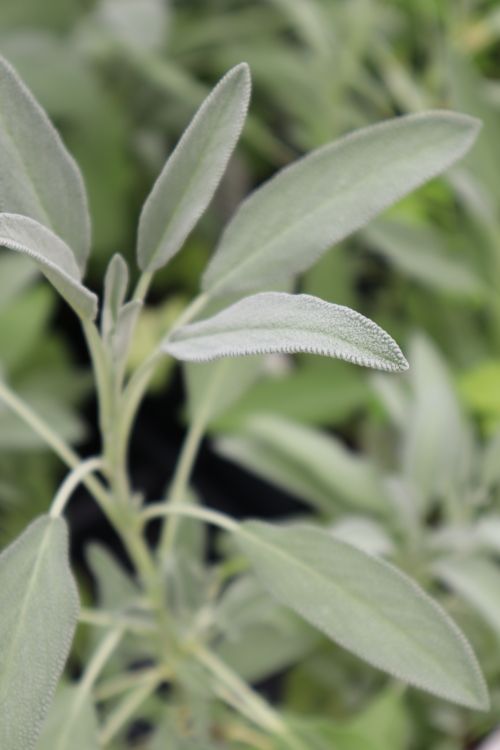
Sage Leaf
Salvia officinalis
Used in European herbal medicine since the Middle Ages to support comfort during hot flushes and reduce excessive perspiration.
Not suitable during pregnancy or breastfeeding. If you have epilepsy, speak to your doctor before use because sage contains compounds that may affect seizure threshold at high doses.
Black Cohosh
Actaea racemosa
Used in traditional North American and European herbal medicine to support comfort during menopausal transition.
Stop taking Black Cohosh and speak to your doctor if you develop possible liver-related symptoms such as yellowing of the skin or eyes, dark urine, severe upper stomach pain, or unusual tiredness. Not suitable during pregnancy or breastfeeding, or for women under 18; ask your GP before using it continuously for longer than six months.
Ashwagandha
Withania somnifera
An adaptogenic root used in Ayurvedic medicine for thousands of years to support resilience to stress and hormonal balance.
Valerian Root
Valeriana officinalis
Used in European herbal medicine since antiquity to support relaxation and sleep quality.
Valerian may cause drowsiness, so take care before driving or using machinery. Avoid combining it with alcohol or prescription sleep medicines, and ask your GP or pharmacist before use during pregnancy or breastfeeding.
Red Clover
Trifolium pratense
A natural source of plant isoflavones, used traditionally to support hormonal balance in post-menopausal women.
Red Clover contains plant oestrogens. If you have or have had a hormone-sensitive condition, including certain breast cancers, or take tamoxifen or hormone therapy, speak to your GP or specialist before use.
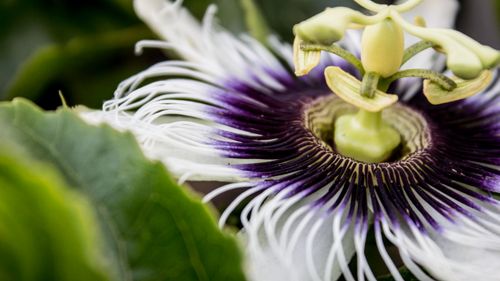
Passionflower
Passiflora incarnata
Used in European and North American herbal traditions to ease nervous tension and support calm.
Passionflower may add to the effects of medicines prescribed for sleep or anxiety, so check with your GP or pharmacist before combining them. Avoid alcohol, and do not use during pregnancy or breastfeeding without medical advice.
Rhodiola Rosea
Rhodiola rosea
An adaptogenic root used in Scandinavian and Siberian herbal traditions to support mental clarity and resistance to fatigue.
If you take antidepressants, particularly SSRIs or MAOIs, or have bipolar disorder, speak to your doctor before using Rhodiola. Not suitable during pregnancy; taking it in the morning may be preferable if you find it energising.
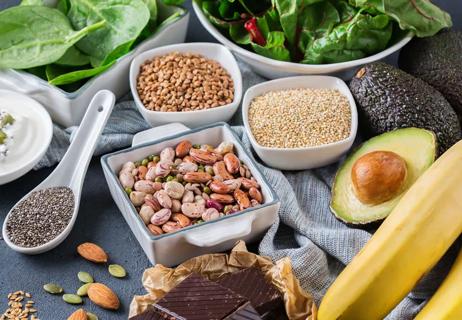
Magnesium
Essential mineral
Magnesium contributes to healthy functioning of the nervous system and to a reduction of tiredness and fatigue.
Higher-dose magnesium supplements may have a laxative effect. If you have kidney disease, or take antibiotics or thyroid medication, ask your GP or pharmacist whether this supplement is suitable and how to space it from your medicines.
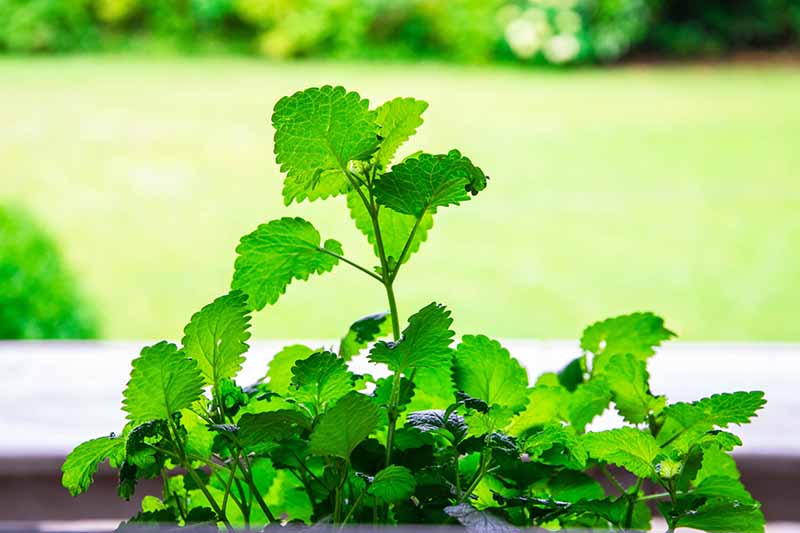
Lemon Balm
Melissa officinalis
Lemon balm is a member of the mint family that has grown in European herb gardens since at least the Middle Ages. It has a lemony scent and is traditionally used to support calm without leaving you feeling foggy or sedated. In perimenopause, it can sit alongside Valerian Root and Passionflower for sleep support, and alongside Rhodiola for days when you feel exhausted and wired. May enhance the effects of sedative medication. If you take anything for sleep or anxiety, check with your GP first. Not suitable during pregnancy.
If you take prescribed medication for sleep or anxiety, check with your GP or pharmacist before adding Lemon Balm because it may add to the effects of sedatives. Not suitable during pregnancy or breastfeeding without medical advice.
Methylfolate
Active folate
Folate supports healthy psychological function, helps reduce tiredness and fatigue, and plays a role in healthy cell division. We use methylfolate, the active form of folate, rather than folic acid. If you are taking methotrexate or other folate-affecting medication, consult your GP before use.
If you take methotrexate or another medicine that affects how your body uses folate, speak to your GP or pharmacist before use.
Copper
Trace mineral
Copper is a trace mineral that works alongside zinc. When zinc intake increases, including copper helps maintain the balance between the two minerals and supports energy and immune function over time. Do not take alongside other copper-containing supplements without checking with your GP.
Do not take additional copper supplements alongside this formula without checking with your GP or pharmacist first. High copper intakes can be harmful.
Dong Quai
Angelica sinensis
Dong Quai has been used in Chinese and Japanese herbal medicine for over two thousand years. In menopause, it is traditionally used alongside other botanicals to support comfort during hot flushes and emotional shifts after menopause. It sits here alongside Sage Leaf and Black Cohosh as part of a rounded formula for established menopause symptoms. Not suitable during pregnancy. Not suitable for women taking blood-thinning medication, including warfarin. May increase sensitivity to sunlight; use sun protection if you notice any change in skin sensitivity.
Not suitable during pregnancy or for women taking blood-thinning medication, including warfarin, without medical advice. Some people find their skin becomes more sensitive to sunlight whilst taking it, so use sun protection if you notice a change.
Schisandra
Schisandra chinensis
Schisandra is a climbing vine native to northern China and Russia, producing clusters of deep red berries used in Traditional Chinese Medicine for centuries. It has traditional use for hot flushes and night sweats after menopause and contains no plant oestrogens, which is why it fits the Thyroid & Hormone Safe range alongside Sage Leaf and Black Cohosh. Schisandra affects how the body processes some medications. If you take prescription medication regularly, speak to your GP before use. Not suitable during pregnancy.
Schisandra may affect how the body processes some medicines, so speak to your GP or pharmacist before use if you take prescription medication regularly. Not suitable during pregnancy or breastfeeding without medical advice.
CoQ10
Coenzyme Q10
CoQ10 is a compound produced by cells and involved in turning food into energy. The body produces less of it with age, and it is included here to support the energy-production process after menopause. It contains no plant oestrogens and has no known thyroid interactions. If you take blood-thinning medication or statins, speak to your GP before use, as CoQ10 may interact with both.
If you take warfarin, a statin, or other regular medication, tell your GP or pharmacist before starting CoQ10 so they can check whether it is suitable for you.
These notes describe traditional use and everyday nutritional support. Ask your GP or pharmacist before starting a supplement.






.jpg)